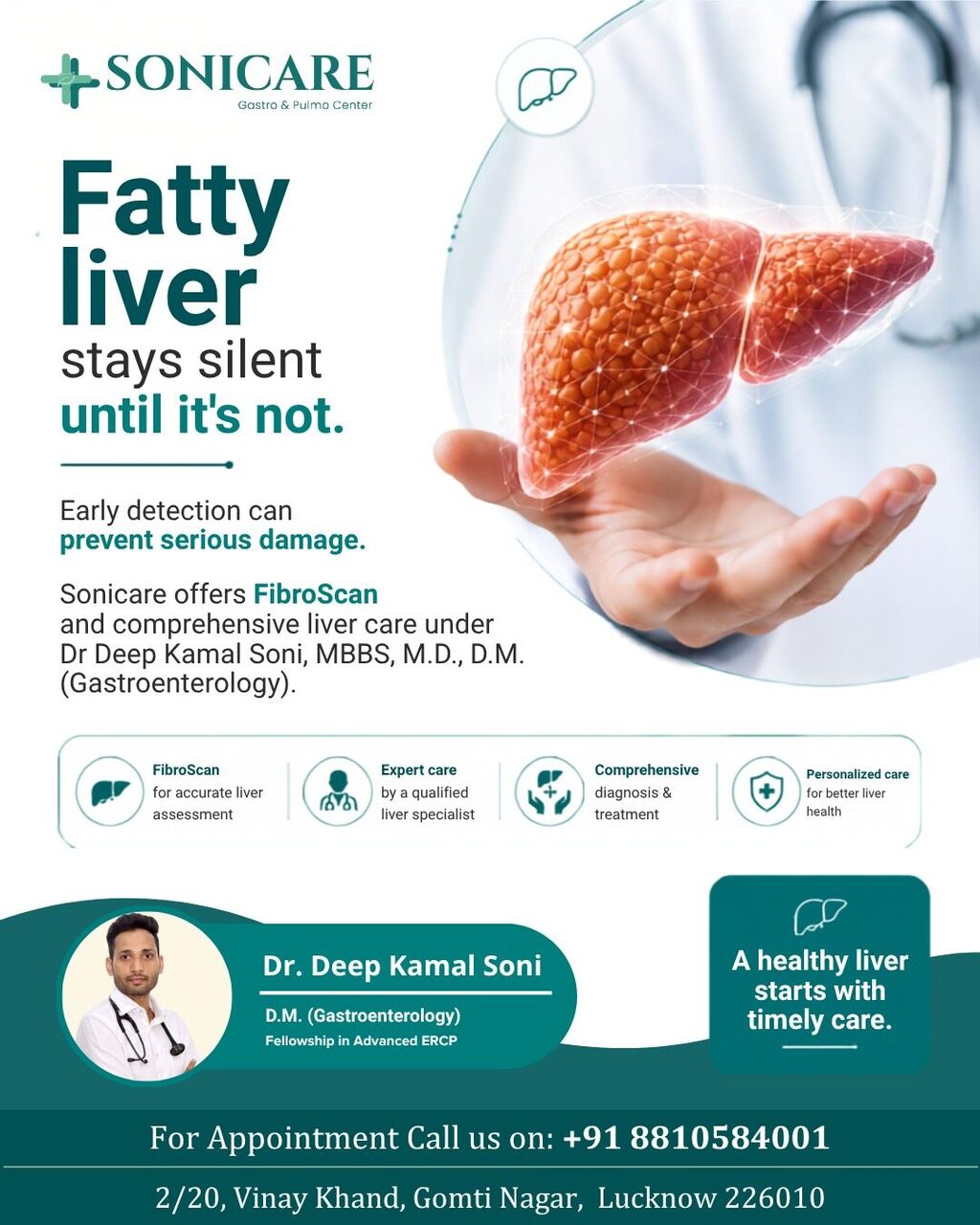
Best Gastroenterologist In Lucknow – Dr. Deep Kamal Soni At Sonicare Hospital
📍 Lucknow
🕐 9 hours ago
👁 10 views
INR 0
Description
Digestive health plays an important role in overall well-being. The digestive system helps the body break down food, absorb essential nutrients, and eliminate waste. When any part of this system is affected, a person may experience symptoms such as acidity, abdominal pain, bloating, constipation, diarrhoea, nausea, or changes in appetite. Although occasional digestive discomfort can occur after certain meals or during periods of stress, symptoms that persist or repeatedly return deserve medical attention. People searching for the Best Gastroenterologist in Lucknow may be looking for professional guidance to understand recurring digestive problems, investigate unexplained abdominal discomfort, or manage a diagnosed gastrointestinal condition. Dr. Deep Kamal Soni is a gastroenterology specialist associated with Sonicare Hospital in Gomti Nagar, Lucknow. His listed qualifications include MBBS, MD in General Medicine, and DM in Gastroenterology. Gastroenterology is the medical speciality concerned with disorders of the digestive tract and related organs, including the oesophagus, stomach, intestines, liver, gallbladder, and pancreas. A gastroenterologist evaluates symptoms, reviews medical history, recommends suitable investigations, and develops a management plan based on the patient's individual condition. Understanding the Role of a Gastroenterologist Digestive symptoms can have many different causes. Acidity may be associated with gastroesophageal reflux disease, while abdominal pain may result from indigestion, inflammation, gallstones, intestinal disorders, or other conditions. Similarly, constipation and diarrhoea may develop because of dietary factors, medication effects, infections, or chronic gastrointestinal diseases. A gastroenterologist helps distinguish between these possibilities. The consultation generally begins with questions about the location and duration of symptoms, their relationship to meals, bowel habits, current medicines, and previous medical conditions. Depending on the findings, the doctor may recommend blood tests, stool investigations, abdominal imaging, endoscopy, colonoscopy, or other diagnostic procedures. Not every patient requires advanced testing; investigations should be selected according to clinical need. About Dr. Deep Kamal Soni Dr. Deep Kamal Soni's profile at Sonicare Hospital lists MBBS, MD in General Medicine, and DM in Gastroenterology. His listed clinical areas include acidity, abdominal pain, constipation, diarrhoea, gastritis, gastroesophageal reflux disease, fatty liver, hepatitis, jaundice, liver cirrhosis, pancreatitis, inflammatory bowel disease, and irritable bowel syndrome. His listed procedures include upper gastrointestinal endoscopy, colonoscopy, FibroScan, ERCP, and manometry. Patients considering a consultation should bring relevant previous reports, prescriptions, and a list of medicines they currently take. Information about symptom duration, dietary patterns, alcohol intake, and family history may also help the doctor understand their condition. Common Digestive Conditions 1. Acidity and Gastroesophageal Reflux Disease Acidity is a common term used to describe a burning sensation in the upper abdomen or chest. Gastroesophageal reflux disease, commonly called GERD, occurs when stomach contents repeatedly flow back into the oesophagus and cause troublesome symptoms or complications. Symptoms may include heartburn, sour-tasting fluid in the mouth, regurgitation, or discomfort after meals. Some people experience symptoms when lying down or during the night. Management depends on the frequency and severity of symptoms. A healthcare professional may recommend meal-timing adjustments, avoiding individual food triggers, appropriate medication, or further investigation when necessary. Difficulty swallowing, unexplained weight loss, gastrointestinal bleeding, or persistent vomiting should not be dismissed as ordinary acidity. 2. Gastritis and Peptic Ulcers Gastritis refers to inflammation of the stomach lining. Possible causes include infection with Helicobacter pylori, certain medicines, and other irritants or medical conditions. Peptic ulcers are sores that develop in the lining of the stomach or the first part of the small intestine. Common causes include H. pylori infection and non-steroidal anti-inflammatory medicines. Symptoms may include upper abdominal discomfort, nausea, or indigestion. Some patients have few symptoms until a complication develops. Diagnosis and treatment depend on the suspected cause. Depending on the situation, a doctor may recommend testing for H. pylori, medication review, or upper gastrointestinal endoscopy. Vomiting blood, passing black tarry stools, or experiencing sudden severe abdominal pain requires emergency medical assessment. 3. Constipation and Diarrhoea Constipation may involve infrequent bowel movements, hard stools, straining, or a sensation of incomplete emptying. It can be related to dietary habits, inadequate fluid intake, reduced physical activity, medication effects, or certain medical conditions. Diarrhoea involves loose or watery stools and may result from infections, food-related illness, medication effects, or digestive disorders. The appropriate management depends on the cause and duration. Dietary adjustments, adequate hydration, and suitable medication may be recommended when appropriate. Persistent symptoms, blood in the stool, severe abdominal pain, fever, or dehydration require medical assessment. 4. Irritable Bowel Syndrome Irritable bowel syndrome, or IBS, is a disorder of gut-brain interaction that can cause recurrent abdominal pain associated with changes in bowel habits. Some patients experience constipation, others experience diarrhoea, and some alternate between the two. Bloating and a sensation of incomplete bowel emptying may also occur. Management may involve identifying individual food triggers, adjusting fibre intake, addressing stress, and using prescribed medicines when needed. A doctor may also assess whether another condition could explain the symptoms. IBS should not automatically be assumed when warning signs such as bleeding, unexplained weight loss, or persistent fever are present. 5. Liver Diseases The liver performs important functions involving metabolism, nutrient processing, and the removal of waste products from the bloodstream. Liver conditions may develop due to metabolic factors, viral infections, alcohol-related injury, autoimmune diseases, or other causes. Fatty liver disease, hepatitis, and liver cirrhosis are among the conditions evaluated in gastroenterology. Some liver disorders cause few symptoms during their early stages. Others may produce fatigue, abdominal discomfort, jaundice, swelling, or abnormal blood test results. A doctor may recommend liver function tests, viral hepatitis testing, ultrasound, FibroScan, or other investigations depending on the suspected condition. Diagnostic Procedures in Gastroenterology Accurate diagnosis helps guide appropriate treatment and avoid unnecessary medication. Upper gastrointestinal endoscopy: A flexible instrument with a camera allows the doctor to examine the oesophagus, stomach, and upper part of the small intestine. It may help investigate swallowing difficulties, persistent upper digestive symptoms, bleeding, or suspe

Similar Ads

DigiSensy – Best SEO Agency In Lucknow For Sustainable Search Growth
INR 0

DigiSensy: How A Digital Marketing Agency In Lucknow Helps Businesses Grow Online
INR 0

Dr. Richa Singh – IVF Doctor In Aliganj For Personalized Fertility Care
INR 0

Your First Fertility Consultation: What To Expect
INR 0

Choosing The Right Coaching Programme For NEET And JEE
INR 0

Exploring Career Opportunities In Aviation, Travel And Hospitality
INR 0
🛡️ Stay Safe
- ✓ Meet in a public place
- ✓ Inspect before paying
- ✓ Never pay in advance